How to Know if a Child Needs Speech Therapy
As an experienced speech-language pathologist, I’ve met many parents who wonder if their child’s speech is on track. If you’re reading this, you might be worried about your child’s talking, or maybe you’ve noticed they’re not keeping up with other kids. First, know that you’re not alone. Many families have these same questions, and it’s always okay to ask for help.
Understanding Speech and Language Milestones
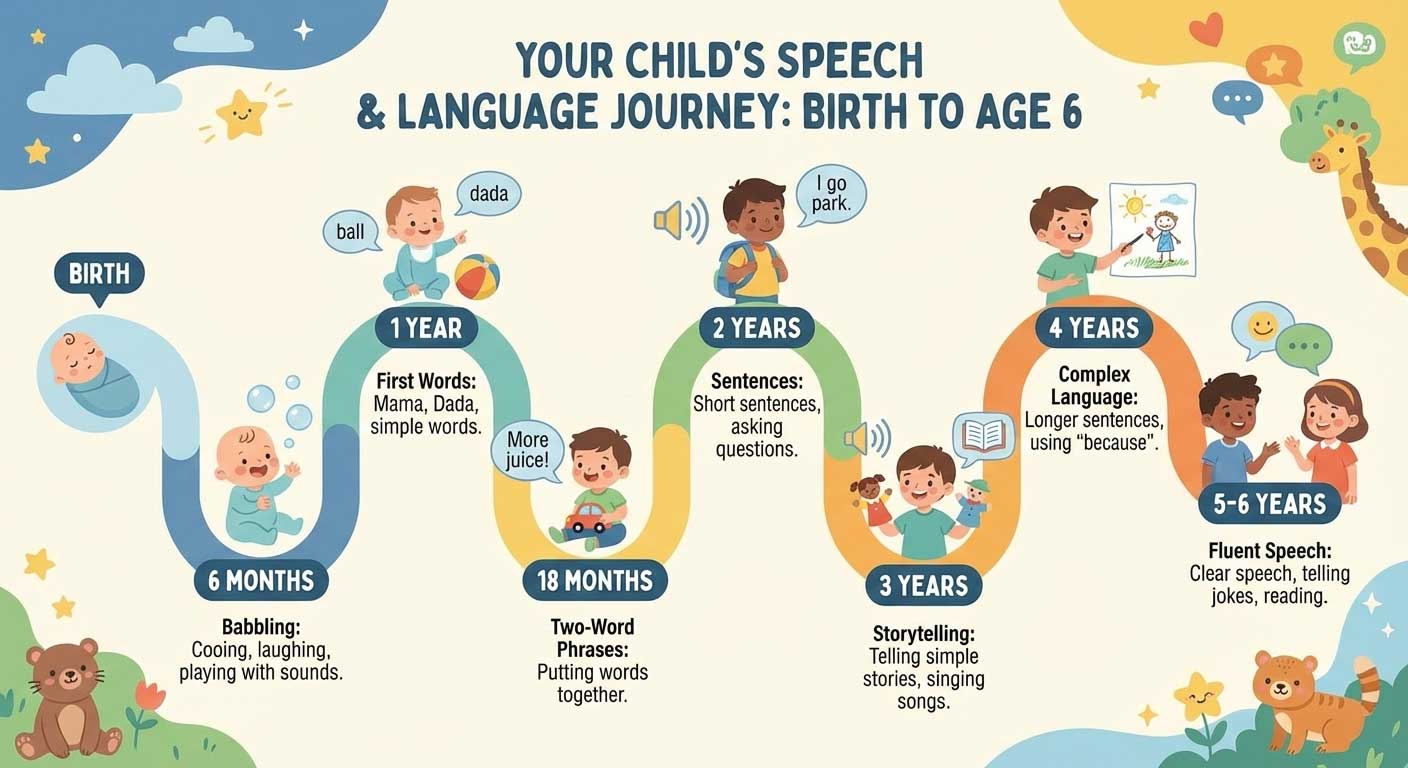
Every child develops at their own pace, but there are general milestones that help us know what’s typical. Here’s a simple guide to what most children do at each stage:
| Age | What Most Children Do |
|---|---|
| 0–12 months | Smile, coo, babble (“ba-ba,” “da-da”), respond to voices, use gestures |
| 12–18 months | Say first words (“mama,” “dada”), use 5–10 words, point to show what they want |
| 18–24 months | Use at least 50 words, combine two words (“more juice”), 50% understood by strangers |
| 2–3 years | Use 3–4 word sentences, vocabulary grows quickly, 75% understood by strangers |
| 3–5 years | Speak in full sentences, tell simple stories, almost always understood |
| 5–8 years | Use all speech sounds clearly, follow complex directions, 100% understood |
It’s normal for some kids to be a little ahead or behind, but missing several milestones can be a sign to check in with a professional.
Warning Signs: When to Be Concerned
Here are some red flags that may mean your child could benefit from a speech therapy evaluation:
- By 12 months: Not babbling, pointing, or using simple words like “mama” or “dada”
- By 18 months: Fewer than 5 words, not using gestures to communicate
- By 2 years: Not combining two words, less than half of speech is understood by others
- By 3 years: Not using three-word sentences, hard for strangers to understand most of the time
- By 4–5 years: Still making lots of sound errors (like “wabbit” for “rabbit”), trouble telling stories, or difficulty following directions
- At any age: Loss of words or skills they once had, stuttering that doesn’t go away, or frustration when trying to talk
If your child is struggling in any of these areas, it’s a good idea to reach out for an evaluation.
Types of Speech and Language Challenges
Speech and language difficulties can look different for every child. Here are some common types:
- Articulation problems: Trouble making certain sounds, like “r” or “s”
- Language delays: Slow to use words or sentences, or trouble understanding what others say
- Stuttering: Repeating sounds or getting “stuck” on words
- Apraxia of speech: Difficulty planning the movements needed for speech, making words come out jumbled or hard to say
- Social communication issues: Trouble using language to connect with others, like taking turns in conversation
Speech and language difficulties can look different for every child.
Why Early Help Matters
The earlier we support a child’s communication, the better the results. Young children’s brains are especially ready to learn language, and early therapy can help them catch up to their peers. Research shows that children who start therapy early often need less help later on and feel more confident as they grow.
What to Expect from a Speech Therapy Evaluation
If you decide to schedule an evaluation, here’s what usually happens:
- A certified speech-language pathologist will play and talk with your child to see how they communicate.
- They’ll check how your child understands words, uses sentences, and makes speech sounds.
- You’ll get a clear explanation of your child’s strengths and any areas that need support.
- If therapy is recommended, you’ll receive a plan tailored to your child’s needs.
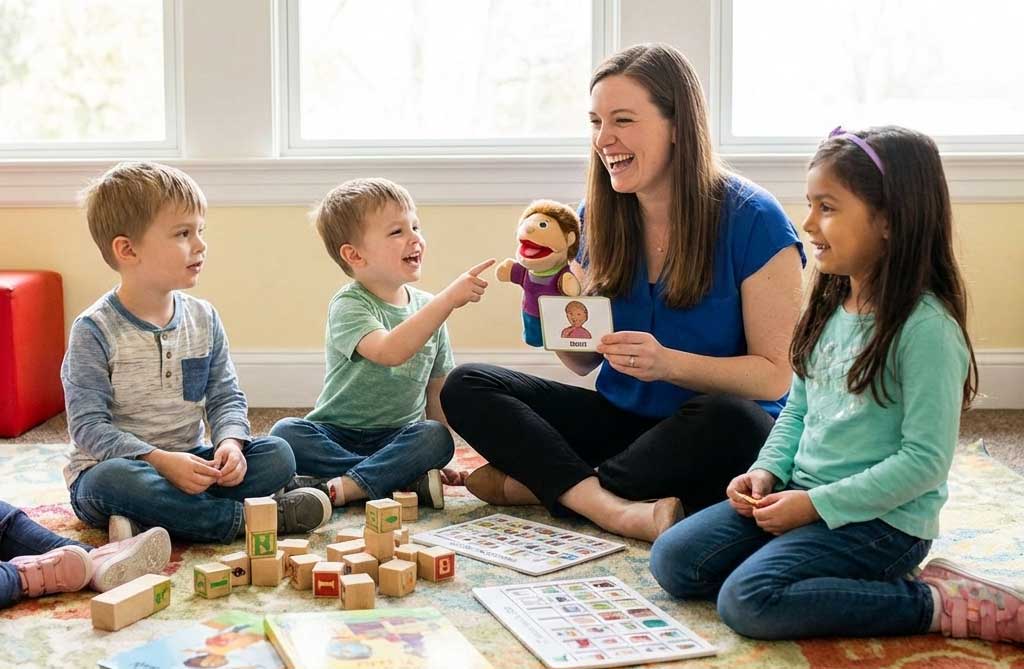
Most kids find the evaluation fun. It feels like playtime, not a test.
Trust Your Instincts
As a parent, you know your child best. If you feel something isn’t right, it’s always okay to ask for help. Don’t let anyone tell you to “wait and see” if you’re worried. Early support can make a world of difference.
Supporting Your Child at Home
Whether or not your child needs therapy, there are simple ways to help at home:
- Read together every day
- Talk about what you’re doing (“Now I’m pouring the juice”)
- Give your child time to answer questions
- Celebrate all attempts to communicate, not just “perfect” speech

We’re Here to Help
Worrying about your child’s speech can feel overwhelming, but you don’t have to figure it out alone. Every child deserves the chance to be heard and understood. If you’ve noticed any of these signs, or if you just have a gut feeling something isn’t right, reach out for an evaluation. Early support can open doors for your child and give them the confidence to share their voice with the world.
If you’re ready to take the next step, schedule a speech and language evaluation today. We’re here to support your family every step of the way, and we truly believe every child deserves to be heard.