
Services
Clear speech builds confidence and helps your child be understood
A thoughtful evaluation can turn uncertainty into a plan you can trust. We listen to your concerns, learn about daily routines, and focus on outcomes that matter to your family.
Services
A thoughtful evaluation can turn uncertainty into a plan you can trust. We listen to your concerns, learn about daily routines, and focus on outcomes that matter to your family.
Speech & Language Evaluations for Kids
What the Evaluation Includes
We begin with a caregiver interview to understand history, strengths, and priorities. Then we use a mix of standardized tools and play‑based observation to profile speech sounds, language, fluency, and voice as needed. This balanced approach gives us both measurable data and a real‑life picture of how your child communicates.
How We Assess Speech, Language, Fluency, and Voice
For articulation, we check how clearly sounds are produced in words and sentences. We look for sound substitutions, omissions, or patterns that may affect clarity in everyday speech. For language, we assess understanding, vocabulary, sentences, and storytelling in ways that feel natural and engaging.
Fluency measures focus on how smoothly your child speaks and how comfortable they feel when sharing ideas. We also consider moments of tension and how to reduce pressure in conversation. Voice assessments evaluate vocal quality, projection, and stamina to support healthy, steady speaking throughout the day.
Interpreting Results and Setting Goals
You’ll receive an accessible summary of results and a clear path forward. We translate findings into measurable goals connected to daily life—such as being understood at home, following directions in class, speaking more smoothly, or using a steadier voice. We’ll explain the “why” behind each goal, so it all makes sense.
Goals are customized to your child’s strengths and interests. We start where success is most likely and build step by step. Progress is tracked during sessions, and we share updates so you can see growth over time. When a goal is met, we adjust the plan and set new targets together.
Turning Results into a Practical Plan
Your plan outlines what we’ll work on, how often we’ll meet, and what home practice looks like. Sessions are 30 minutes and scheduled based on clinical need and availability. We focus on short, repeatable activities that fit your routines, such as car rides, snack time, or bedtime reading.
We’ll also discuss the best setting for therapy—clinic, online, or a hybrid—so you have options that match your schedule. If school support is involved, we’ll coordinate with teachers (with your permission) to help strategies carry over to classrooms and activities.
What to Expect During the Appointment
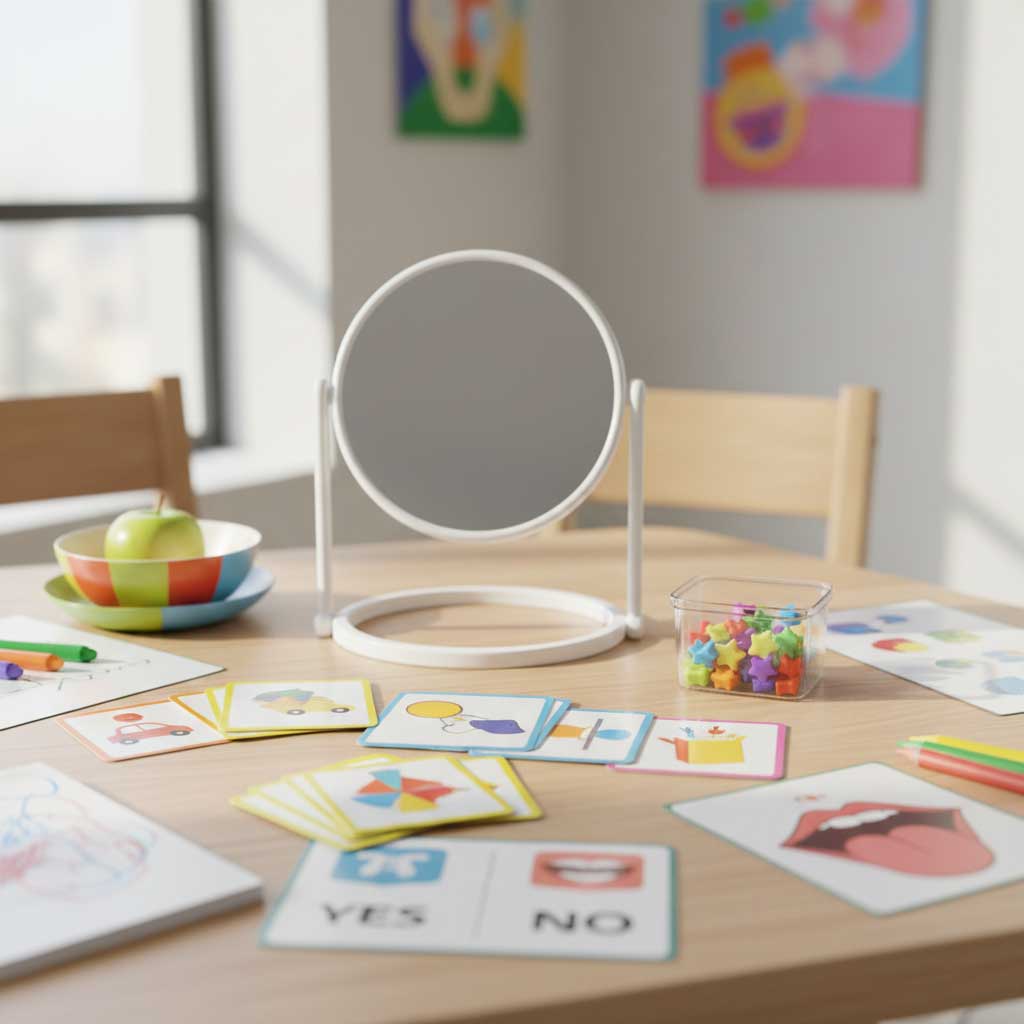
Evaluations are designed to feel welcoming and calm, not rushed. Younger children may play with toys, look at books, or use picture cards while we listen and ask gentle questions. Older kids may complete short tasks, tell stories, or explain how they solve problems. Breaks and movement are always okay.
We encourage parents to share observations throughout the process. Your insights about what works at home help us tailor testing and set realistic goals. If your child is shy or tired, we adjust and may split the evaluation across visits so we get a complete, accurate picture.
Preparing Your Child for the Day
A simple explanation goes a long way: “We’re going to play some talking and listening games so we can help you at school and at home.” Bring a favorite snack or small toy to help your child relax. If your child uses glasses or a hearing device, please bring them along.
For toddlers and preschoolers, a well‑rested day helps. Try to schedule around nap times if possible. If your child is feeling unwell, we’re happy to reschedule so they can do their best and feel comfortable during the visit.
How Often and How Long Therapy May Last
Frequency depends on needs and goals. Some children benefit from one or two sessions per week, while others may start with more frequent visits for a short period. We’ll recommend a schedule that balances progress with your family’s routines. Duration varies as skills develop and goals advance.
We review progress regularly with you and adjust the plan as needed. When goals are met, we celebrate, update the plan, or transition to occasional check‑ins. If a new concern appears, we revisit evaluation tools to guide next steps.
Online and In‑person Evaluations
We offer in-person evaluations at our Houston and Cypress clinics and online across Texas. Online options are helpful for families with travel constraints or scheduling challenges. We provide clear guidance for technology setup and parent participation so sessions run smoothly and feel supportive.
For young children online, we may coach you on how to present materials or prompts while we observe and guide. For older kids, we use engaging, screen‑friendly tools that capture accurate results. Whether online or in person, our focus is the same: clarity, comfort, and a plan you can use.
Insurance, Costs, and Scheduling
We accept commercial insurance and verify benefits as a courtesy during intake (no Medicaid). Before your evaluation, we’ll explain coverage details and any expected out‑of‑pocket costs. We aim for transparency so there are no surprises. If questions arise, we’ll walk you through options.
Scheduling is simple. Complete our intake form with a brief history, your concerns, and your availability. We’ll reach out to review details and schedule a time that works. If you need after‑school hours or online alternatives, we’ll help you find a good fit.
How We Partner with Families and Schools
Family partnership is at the heart of progress. We share updates after sessions and send home two or three simple ideas you can use in minutes a day. With your permission, we also collaborate with teachers to keep goals and prompts consistent in class.
If your child has an IEP or 504 Plan, we’ll review relevant sections to align school supports with your therapy plan. When everyone uses the same language and strategies, skills carry over more naturally to everyday settings.
Re‑evaluations and Transitions
As your child grows, communication needs can change. We’ll recommend re‑evaluations at key milestones or when new concerns arise. These check‑ins help us confirm progress, set new goals, or plan transitions. If therapy is no longer needed, we’ll outline ways to maintain skills at home and at school.
If you’re moving or changing schools, we’ll provide a summary you can share with new teams. Clear communication helps your child feel supported during transitions and keeps progress steady.
Locations, Hours, Next Steps
Post Oak location
4544 Post Oak Pl Dr STE 160, Houston, TX 77027
(713) 218‑9947
Bridgeland location
16700 House Hahl Rd Bldg. 8, Cypress, TX 77433
(713) 800‑3454
Monday–Friday, 8 AM–6 PM
Send us an email
If you’re searching for a thoughtful, child‑friendly speech therapy evaluation, we’re here to help. We serve families in person in Houston and Cypress and online across Texas. Tell us about your child, and we’ll help you take the next step with confidence.
Frequently Asked Questions
How should I prepare my child for the evaluation?
Keep it simple: “We’re going to play some talking and listening games.” Bring glasses, hearing devices, or communication tools your child uses. A favorite snack or small toy can help younger kids feel at ease.
How long does a speech evaluation take, and are breaks allowed?
We schedule enough time to complete the assessment without rushing. Breaks are always okay, and we can split visits if needed. Comfort and accuracy matter most.
Will I receive a written report and recommendations?
Yes. You’ll get an accessible summary with results, recommended goals, and clear next steps—plus a few home ideas to use right away. We’ll discuss in-person, online, or hybrid care.
Can you coordinate with my child’s school after the evaluation?
With your permission, yes. We share relevant information and strategies that support carryover in class and align with any IEP or 504 Plan.

Developing essential speech and language skills through play-based, family-centered strategies.
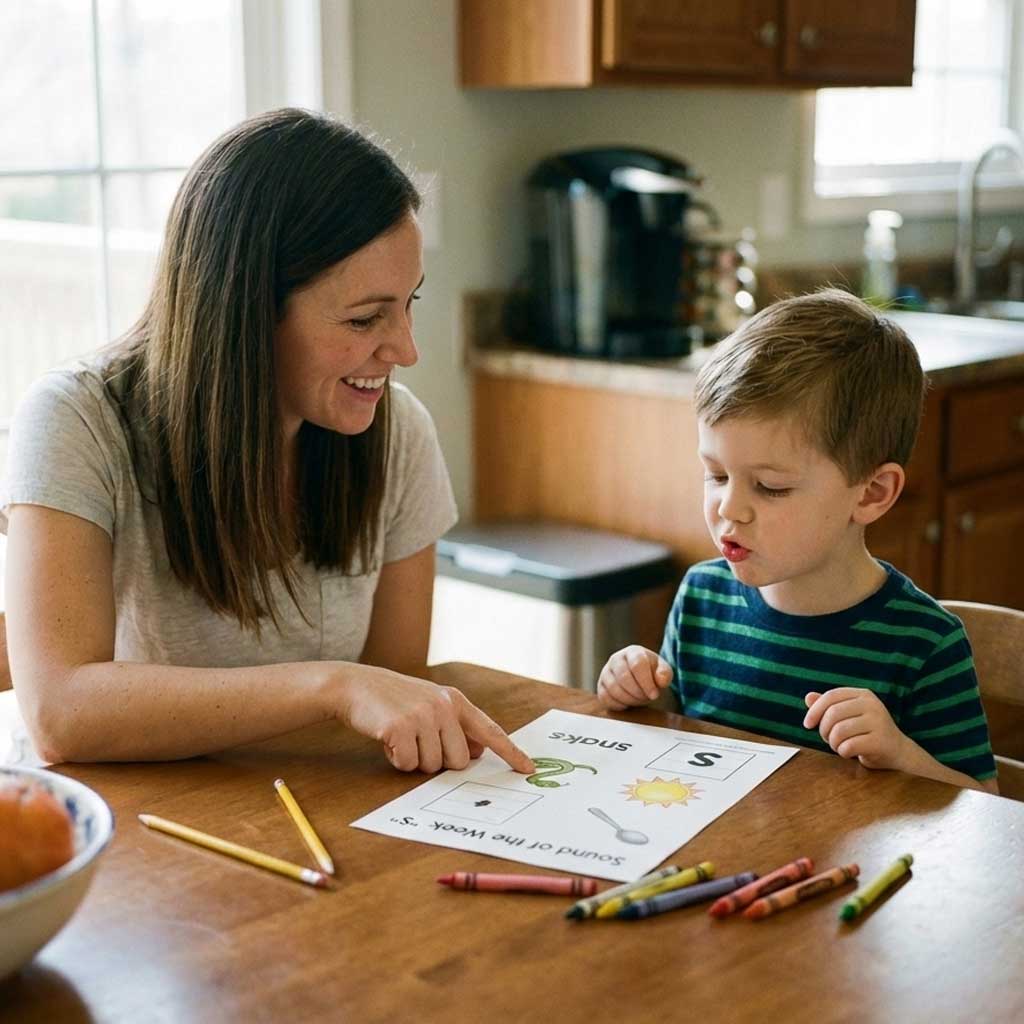
Warm, engaging sessions, parent partnership, and small, repeatable steps that make progress feel steady and visible.

Help for hoarseness and vocal fatigue. Healthy voice habits, breath support, and child-friendly exercises.